Columbus, GA · Phenix City, AL · Harris County

Stop the Water.
Fix the Yard.

Expert grading, French drains, swales, and drainage correction. We target the source — not just the symptoms.

Get a Free Estimate
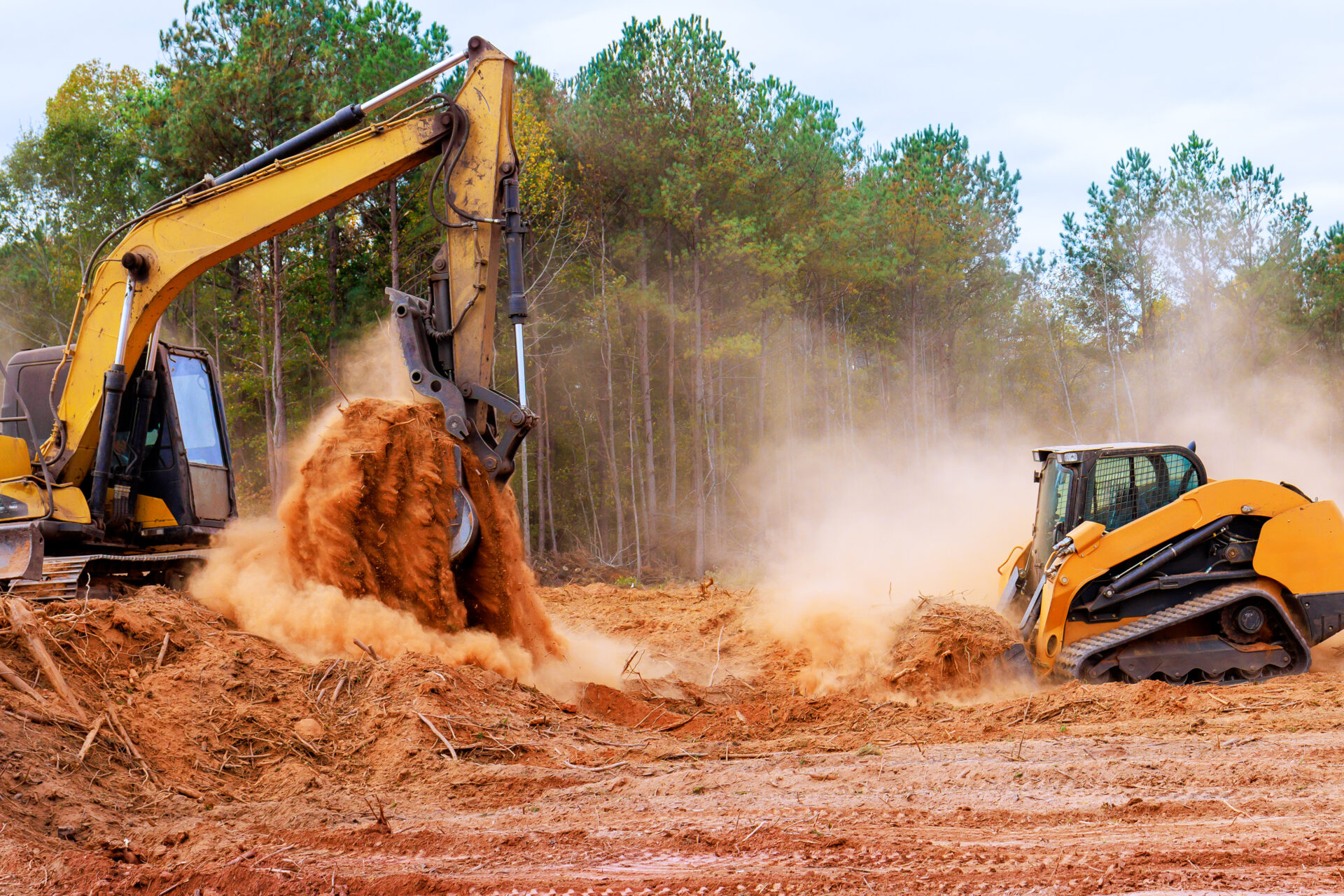
Excavation and grading work on residential property

The Problem With Most Georgia Yards

Standing Water is a Symptom. Poor Grading is the Cause.

Bowl-shaped yards, low spots, and compacted red clay prevent water from escaping your property. What starts as inconvenient pooling becomes lawn damage, foundation erosion, and eventually costly structural problems.

We inspect every property before any work begins — identifying drainage patterns, runoff paths, high and low points, and the right solution. Not every yard needs a French drain. Not every yard needs full regrading. We'll tell you exactly what yours needs.

  • Full drainage inspection before every job
  • Target ~2 degrees slope away from structures
  • Identify bowl-shaped low spots and runoff paths
  • Recommend the right solution — not the most expensive one
  • Combine grading, drains, and swales as needed

What We Fix

Grading & Drainage Services

Yard Regrading

Fix bowl-shaped yards and low spots that trap water. We reshape the ground to create proper slope away from your home and toward appropriate drainage paths.

French Drains

Perforated pipe surrounded by clean #57 stone and wrapped in non-woven geotextile fabric, installed at proper trench slope for reliable water removal.

Swales & Channels

Shallow graded channels that redirect surface water away from problem areas and toward appropriate discharge points. Natural-looking and effective.

Culverts

Driveway and road culvert installation and replacement for proper water passage under drives and across drainage ditches.

Harley Rake Finish Grading

Fine-grade a seedbed, smooth rough graded areas, or prepare a yard for hydroseeding. The Harley rake creates a clean, level surface at the right slope.

Erosion Control

Combine grading corrections with hydroseeding, silt fence, matting, and proper slope stabilization to stop erosion for good.

French drain installation with stone and pipe

French Drains Done Right

How We Install French Drains

A French drain only works if it has proper slope, the right materials, and a clear discharge point. Too many installs use wrong stone, skip the fabric, or don't have enough pitch — and they fail within a season.

  • Trench dug to appropriate depth and consistent slope
  • Non-woven geotextile fabric lines the trench
  • Perforated pipe laid at correct pitch (1% minimum)
  • Clean #57 angular stone — no fines that clog
  • Fabric wrapped over the top before backfill
  • Discharge routed to daylight, ditch, or dry well
  • Surface restored and finish-graded
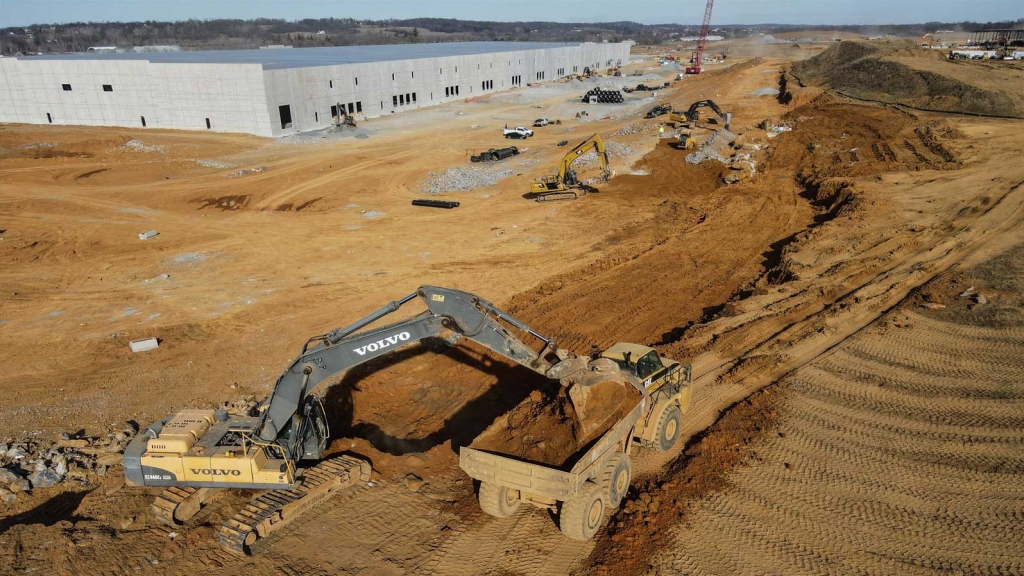
Construction site grading with heavy equipment
French drain installation process

What Goes Wrong

Why Some Drainage Jobs Fail

We've seen a lot of failed drainage work. Common mistakes include drains installed without enough slope (water sits and stagnates), fine gravel that clogs within months, no fabric so roots and soil infiltrate the system, and discharge points that lead back uphill or nowhere at all.

We design every drain with the entire water path in mind — from inlet to outlet. If the discharge has nowhere to go, the system won't work no matter how good the install is.

  • Always plan the discharge path first
  • Minimum 1% slope in the pipe for reliable flow
  • Use angular stone — not pea gravel or round stone
  • Geotextile fabric prevents root and soil infiltration
  • Inspect for connection to existing drainage issues

Questions

Grading & Drainage FAQ

The answer depends on where the water is coming from and where it needs to go. Surface water pooling in the yard often requires regrading or swales. Water entering from a hillside or neighboring property is usually best handled with a French drain interceptor. Many properties need a combination of both. We inspect every property and tell you exactly what's needed.

Absolutely — in fact, combining grading and hydroseeding is one of the most common project types we do. After grading, the disturbed soil is perfect for hydroseeding. We finish-grade with the Harley rake to create a smooth seedbed, then apply hydroseeding immediately. This gives you proper drainage and a healthy lawn from day one.

Depth depends on the application. Surface drains collecting yard water may only be 12–18 inches deep. Interceptor drains blocking uphill water may need 24–36 inches. Drains near foundations should be deep enough to capture water before it reaches footings. We assess your specific situation and install at the appropriate depth for your soil type and drainage requirements.

Often yes. French drain trenches are narrow and targeted. We can frequently address serious drainage problems by strategically installing a drain in one location rather than regrading the entire yard. During our inspection, we look for the minimum intervention that achieves the drainage goal.

Ready to solve your drainage problem for good?

Call Now Free Estimate